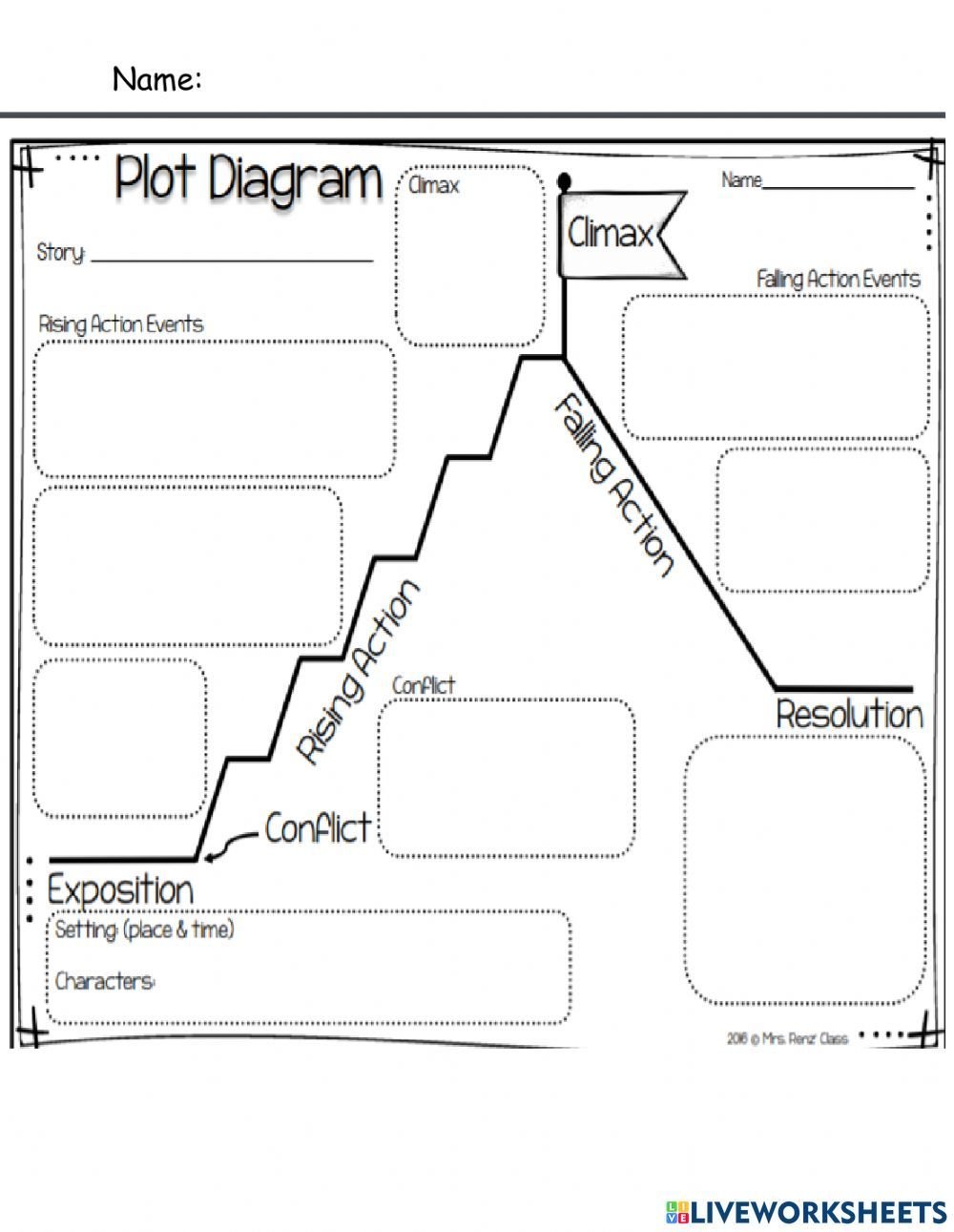
In today's golden age of streaming, where new series drop daily and narratives twist with labyrinthine complexity, simply "watching" a show might not be enough. To truly grasp the genius, the subtle foreshadowing, or the character motivations that elevate a good story to a great one, you need a compass—and that compass is a Full Episode Synopsis & Plot. Far from mere recaps, these detailed guides unpack the intricate layers of storytelling, ensuring you don't just consume content, but truly understand and appreciate it. They are your backstage pass to the narrative engine, revealing how each scene propels the overarching story and shapes the fates of beloved (or despised) characters.
At a Glance: Why Detailed Synopses Are Your Best Binge-Watching Companion
- Clarify Complex Plots: Easily track multi-layered stories, especially those with time jumps, parallel universes, or intricate political maneuvers.
- Deepen Character Understanding: Grasp motivations, growth, and pivotal decisions that drive character arcs.
- Catch Missed Details: Spot nuances, Easter eggs, and subtle clues often overlooked in a first watch.
- Enhance Re-Watching: Refresh your memory for callbacks, theories, or to simply relive powerful moments.
- Aid in Discussion & Analysis: Equip yourself with precise details for engaging conversations with fellow fans.
- Pre-Watch Decision Making: Get a robust feel for an episode's content to decide if it's the right mood for your viewing.
Beyond the Teaser: What a "Full Episode Synopsis & Plot" Truly Entails
Forget the vague two-sentence blurbs that barely hint at an episode's events. A truly comprehensive "Full Episode Synopsis & Plot" is a meticulous breakdown, offering a chronological, in-depth account of the significant events, character interactions, and narrative developments within a single installment of a series. It goes beyond what happened to explore why it happened, how it impacted the characters, and what its implications are for the broader story.
Think of it as the director's cut in written form, distilling the essence of 45-60 minutes of visual storytelling into a digestible, yet richly detailed, narrative. It's the difference between hearing a song's title and reading its complete, annotated lyrics—both give you information, but only one provides the full depth of understanding.
The Unseen Power: How Detailed Synopses Elevate Your Viewing Experience
In an era where streaming libraries are overflowing, our attention spans are fragmented, and narratives are designed to be binged, the humble episode synopsis has evolved into an indispensable tool. It's not just for those who missed an episode; it's for anyone who wants to extract maximum value from their viewing time.
Recalling Complex Narratives: Navigating Labyrinthine Worlds
Some shows delight in their complexity, weaving intricate plots across multiple timelines, dimensions, or character perspectives. This is where a full synopsis shines brightest.
Consider the South Korean drama "W - Two Worlds," a fantasy romance thriller that famously blurs the lines between reality and a manhwa (comic book) universe. The narrative constantly shifts, with characters literally pulled between dimensions, memories being rewritten, and the very fabric of existence being questioned. Without a detailed Full Episode Synopsis & Plot, keeping track of Yeon-joo's sudden transportations, Kang Chul's evolving self-awareness, and the manhwa killer's horrifying incursions into the real world would be a monumental task.
For instance, Episode 5 of "W" is a pivotal moment: Kang Chul, the manhwa protagonist, crosses into Yeon-joo's real world and discovers his comic book origins. The synopsis details not just his journey, but his emotional reaction, his confrontation with the artist, and the chilling realization of his own fictionality—all crucial for understanding his subsequent actions and the show's philosophical underpinnings. These summaries provide the narrative scaffolding needed to appreciate the bold strokes of storytelling, especially when you're jumping between seasons or catching up on a show like Greys Anatomy Season 21 Episode 9, where ongoing storylines demand a sharp memory.
Deepening Character Arcs: The "Why" Behind the "What"
Characters are the heart of any story, and a truly great synopsis unpacks their decisions, growth, and internal conflicts. It illuminates the nuances that might be subtle on screen but are critical to their journey.
In "Glory," a Chinese costume-era romance with mystery and family power games, the relationship between Lu Jianglai and Rong Shanbao is a masterclass in strategic interaction. Shanbao, the powerful tea master heir, saves Lu Jianglai, a disgraced scholar, but initially treats him as a stablehand and chess piece due to old grudges. Lu Jianglai, in turn, is an "active, strategic victim," feigning submission while subtly investigating the murder case that ruined him.
A full synopsis for "Glory" Episode 2, for example, wouldn't just state that Shanbao brought an injured Lu Jianglai to her residence. It would elaborate on her motivation ("shelter, control, and observation") and his strategic amnesia, highlighting how their "old grudges" immediately frame their interactions. This level of detail helps viewers appreciate the intricate dance of power, suspicion, and eventual affection that defines their relationship, rather than seeing it as a simple "enemies-to-lovers" trope.
Unpacking Thematic Layers: Beyond the Surface Plot
Shows, especially those lauded for their quality, often explore deeper themes. A detailed synopsis helps surface these underlying messages.
"W - Two Worlds" isn't just a fantasy romance; it delves into meta-narrative, free will, the creator's responsibility, and the nature of reality. Synopses track these themes by highlighting moments like Kang Chul defying his creator's drawings (Episode 3 flashback) or the killer's origin as a "plot device" (Episode 6). Similarly, "Glory" uses its tea-industry world-building to anchor themes of power, inheritance, and social hierarchy, where spouse selection is framed as resource redistribution. Detailed episode summaries can draw attention to these thematic elements, enriching your overall interpretation of the series.
Catching Nuances and Foreshadowing: The Details You Missed
Let's be honest: during a first watch, especially in a fast-paced or visually dense show, it's easy to miss subtle cues, fleeting expressions, or seemingly minor plot points that become significant later. A comprehensive synopsis acts as your second pair of eyes, pointing out these crucial details.
In "Glory," for example, an episode synopsis might highlight Rong Yunxi's subtle insinuations among the maids (Episode 3), setting up future internal family conflicts, or the seemingly random detail of So-hee's hand briefly morphing into a drawing in "W" (Episode 7), which foreshadows the instability of the manhwa world's characters. These are the "aha!" moments that a well-crafted Full Episode Synopsis & Plot helps you uncover, making your viewing experience more rewarding.
Crafting the Perfect Synopsis: An Editor's Playbook
Writing a truly useful full episode synopsis isn't merely about regurgitating events; it's an art form that requires a keen understanding of narrative structure, character psychology, and audience needs.
- Start with the Core Conflict: Every episode should have a central driving force. Identify it early. Is it a mystery to solve, a relationship to navigate, or a battle to win?
- Highlight Key Plot Points, Not Just Events: Distinguish between incidental happenings and pivotal turning points. In "W," Yeon-joo kissing Kang Chul to create a cliffhanger (Episode 3) is a key plot point because it directly manipulates the manhwa's narrative, not just a romantic gesture.
- Focus on Character Decisions and Motivations: Explain why characters act the way they do. Why does Kang Chul shoot Yeon-joo (Episode 4)? To test his theory about her being from another dimension. This adds depth beyond a simple description of the action.
- Briefly Set the Scene (When Necessary): Quickly remind the reader of the relevant setting or context. For "W," specifying whether an event occurs in the "real world" or the "manhwa world" is crucial. For "Glory," mentioning the "Rong Residence" or the "ancestral hall" provides context for the power dynamics.
- Address the "Why" and "How": Don't just list events. Explain the cause and effect. How does Lu Jianglai's downfall happen in "Glory" Episode 2? He's ambushed while pursuing a murder case, revealing a deeper "old case" and "power struggle" at play.
- Navigate Spoilers Strategically: A full synopsis inherently contains spoilers. For ongoing series, some creators might offer "spoiler-free" teasers and then a "full detailed breakdown" for those ready to dive deep. For completed series, the expectation is generally full disclosure. Clearly labeling "spoilers ahead" is always good practice.
"W - Two Worlds": A Case Study in Narrative Intricacy
"W - Two Worlds" (2016) stood out for its audacious premise: a collision between the real world and an alternate universe existing within a popular webtoon. Its blend of fantasy, romance, suspense, and thriller elements demanded viewers pay close attention, making detailed episode synopses invaluable.
Episode Breakdown: Navigating the Worlds
- Episode 1: The Pull: Yeon-joo is literally pulled through a computer into the manhwa world, finding Kang Chul bleeding. A synopsis highlights this fantastical entry point and the immediate peril, setting the stage for the genre blend.
- Episode 3: Creator's Wrath & Character's Will: Yeon-joo strategically kisses Kang Chul to create a cliffhanger, while her father attempts to kill Kang Chul via drawing. The core tension—creator vs. character—is perfectly illustrated. The revelation that Kang Chul defied his creator's drawings years ago fundamentally changes the narrative stakes.
- Episode 5: The Truth Revealed: This episode is a game-changer. Kang Chul enters the real world, discovers his fictional existence, and confronts his creator. A synopsis emphasizes the sheer impact of this revelation on Kang Chul's identity and the meta-narrative implications.
- Episode 6: Consequences & Despair: Kang Chul learns his family's killer was a mere plot device, not a real person, leading him to shoot Oh Sung-moo and then attempt suicide. This bleak turn, documented in a synopsis, underlines the show's dark themes about narrative control and existential crisis.
- Episode 9: A Reset, and New Threats: Yeon-joo draws a new ending, erasing Kang Chul's memories. This moment, outlined in the synopsis, marks a significant narrative reset and introduces new complications as the killer gains a face and history.
- Episode 10: The Faceless Threat: The killer, now with Oh Sung-moo's face, crosses worlds and begins to control the narrative. Oh Sung-moo loses his face in the real world. Synopses here underscore the horror and stakes of a villain who can literally steal identity and manipulate reality.
- Episode 14: Tragedy Strikes: Yeon-joo is shot in the manhwa world, becoming brain-dead and disappearing from the real world. This devastating event, clearly detailed, marks a turning point of immense grief and guilt for Oh Sung-moo and Kang Chul.
- Episode 16: The Bittersweet End: Oh Sung-moo sacrifices himself, and Kang Chul serves time in jail. The final moments, where Kang Chul reappears for Yeon-joo, leave a hopeful, yet poignant, impression. A synopsis would capture this emotional arc, explaining the sacrifices made for their ultimate reunion.
These precise episode summaries allow viewers to fully appreciate how "W" pushes the boundaries of storytelling, crafting a narrative that is both emotionally resonant and intellectually stimulating.
"Glory": Weaving Romance, Mystery, and Empire
"Glory" (《玉茗茶骨》) delivers a rich tapestry of romance, mystery, and complex family power games, set against the backdrop of a powerful tea master family. With 36 episodes, tracking its intricate plot, character motivations, and shifting alliances requires careful attention, making Full Episode Synopsis & Plot a vital resource.
Episode Breakdown: The Dance of Power and Affection
- Episode 1: The Seeds of Conflict: Rong Shanbao, the family matriarch, handles internal (affair, sisterly rivalry) and external (missing tea, abduction) threats with decisive action, while Lu Jianglai, disguised, tackles a human trafficking den. The synopsis outlines these parallel, yet intertwined, introductions, setting up their eventual meeting and the "recruitment of a live-in son-in-law" plot.
- Episode 2: Entrapment and Strategy: Lu Jianglai's career is destroyed, leading him to be a fugitive. Shanbao brings him into her residence, using his amnesia as leverage to keep him as a stablehand. This synopsis clarifies the strategic nature of their initial relationship, fueled by "past grudges" and Shanbao's calculated control. It underscores that Lu isn't just a victim but a "catalyst for future spy games."
- Episode 3: Power Plays and Pledges: The Rong family feud intensifies over inheritance, and the "son-in-law" recruitment becomes a public spectacle. Lu Jianglai, despite his low status, pledges lifelong service, leading Shanbao to name him "Lu Fusheng" ("Lu for life"). A detailed summary here would highlight the explicit power dynamics at play, showing how Shanbao tests boundaries and Lu Jianglai subtly integrates himself into the household.
- Subsequent Events (Implied Episodes): The Martial Trial: As other suitors arrive, the competition escalates. Lu Jianglai's subtle questioning of Shanbao about their past, his punishment, and his heroic disguise during a martial trial all contribute to the developing tension and romance. The synopsis would track these advancements, showing how the martial trial is not just a test of strength but also a stage for Lu Jianglai's cunning and Shanbao's strategic manipulation of events. It demonstrates that Shanbao's concern, sending him protective armor, hints at burgeoning feelings beyond mere control.
By detailing these plot threads and character interactions, the synopses for "Glory" help viewers navigate the political intrigue, the evolving romance, and the challenges of managing a tea empire, ensuring no twist or emotional beat is missed.
Common Questions & Misconceptions About Synopses
Despite their utility, synopses sometimes face scrutiny or misunderstanding. Let's clarify a few points:
- "Aren't synopses just spoilers?"
For a live, ongoing series, yes, a detailed synopsis is a spoiler for those who haven't watched. However, for a show you're catching up on, re-watching, or analyzing, the "spoiler" becomes "information." The value lies in using them intentionally. Many platforms offer spoiler warnings or separate sections to manage this. - "Why bother reading a synopsis when I can just watch?"
Because "just watching" often means missing intricate details, subtle character motivations, or the full thematic weight of an episode, especially in complex shows. A synopsis enhances the viewing, much like reading a literary analysis enhances understanding of a novel. It's not a replacement for watching, but a powerful complement. - "Are all synopses created equal?"
Absolutely not. A goodFull Episode Synopsis & Plotis carefully crafted, focusing on narrative progression, character development, and key turning points. A poor one is a superficial list of events, lacking context or insight. Look for synopses that tell you why things matter, not just what happened.
The Journalist's Edge: Why Trust a Detailed Synopsis?
As seasoned journalists and subject-matter experts, we approach Full Episode Synopsis & Plot with a commitment to accuracy, impartiality, and context. Our goal is to empower your understanding.
- Accuracy is Paramount: We cross-reference details, ensuring the synopsis faithfully reflects the on-screen events and dialogue. This is critical when dealing with shows that hinge on precise plot points, like the interdimensional shifts in "W" or the intricate legal maneuvers in "Glory."
- Impartiality in Reporting: Our summaries present the narrative objectively, without injecting personal opinions or biases. The focus remains on the story as it unfolds, allowing you to form your own interpretations.
- Contextual Clarity: We strive to connect episode events to the broader series arc, explaining their significance and foreshadowing. This helps you build a cohesive understanding of the entire narrative, making decisions easier, whether you're catching up on a long-running medical drama or considering if a new show is worth your time.
Making the Most of Your Viewing Journey
Harnessing the power of Full Episode Synopsis & Plot can transform your passive viewing into an active, engaging, and deeply satisfying experience.
- Before You Watch: Skim a synopsis to prepare for complex plotlines or to decide if an episode aligns with your mood. This can be particularly useful for heavy or emotionally intense episodes.
- During Your Watch (Strategically): If you're momentarily confused or interrupted, a quick glance at a synopsis can reorient you without needing to rewind excessively.
- After You Watch: This is where synopses truly shine. Read the full summary to reinforce your understanding, catch any details you missed, confirm theories, and deepen your appreciation for the show's craftsmanship. Compare notes with friends, discuss plot holes, or simply bask in the brilliance of a well-told story.
By integratingFull Episode Synopsis & Plotinto your viewing habits, you're not just watching a show; you're engaging with it on a profound level, ensuring every narrative twist, every character revelation, and every thematic nuance is fully appreciated. It's about getting the complete story, every single time.